

Corporate Social Responsibility (CSR) has become an essential component of modern business practices. Today, organizations are no longer judged solely on their financial performance.
Society, consumers, and even employees expect companies to operate ethically, support communities, and minimize their environmental impact.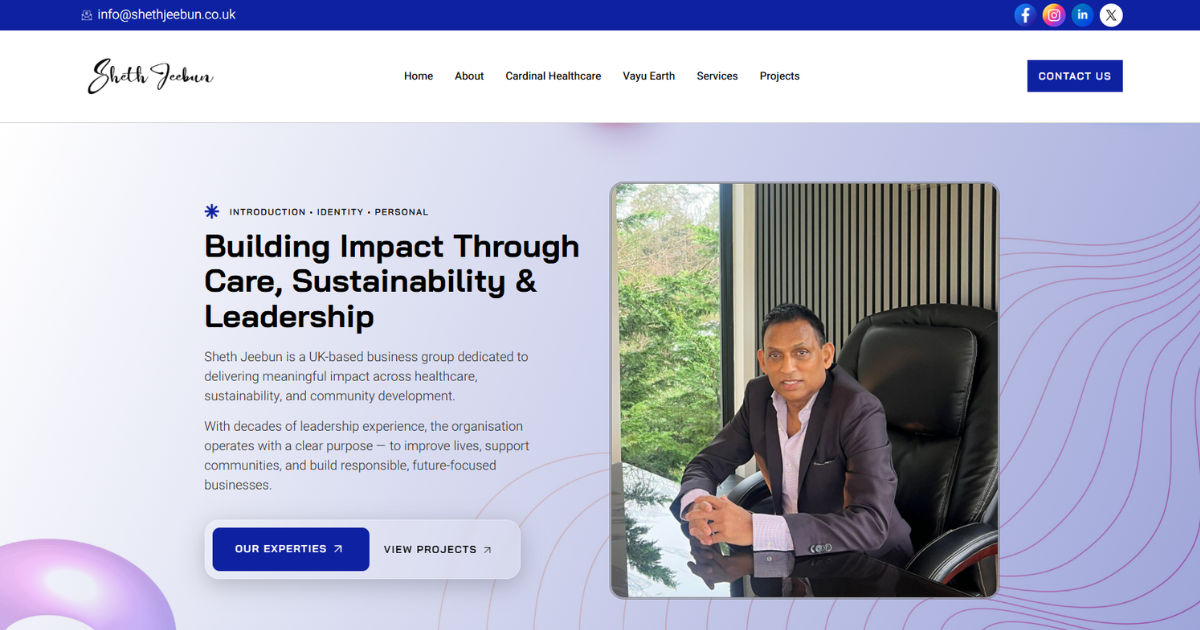
A strong CSR strategy reflects a company’s values and commitment to broader societal goals. Leadership figures such as Sheth Jeebun compassionate care leadership emphasize that CSR is not just a marketing tool but a genuine approach to making a positive impact.
In this guide, we will explore the importance of CSR in modern organizations, its benefits, practical implementation strategies, challenges, and the future of CSR. By the end, readers will understand why CSR is indispensable and how companies can integrate it into their core operations.
Corporate Social Responsibility
Corporate Social Responsibility refers to the voluntary efforts by companies to address social, environmental, and ethical concerns. It goes beyond legal requirements and focuses on creating a positive impact on society while aligning with business goals. CSR can take many forms, including environmental sustainability initiatives, charitable contributions, ethical labor practices, and community engagement.
Modern organizations realize that CSR is more than just philanthropy. It is about building long-term relationships with stakeholders, maintaining a good reputation, and ensuring sustainable growth. Effective CSR policies often reflect the company’s values and leadership philosophy. Leaders like Sheth Jeebun compassionate care leadership show that embedding empathy and social responsibility into organizational culture leads to genuine change.
Why CSR Matters in Today’s Business Environment
The role of CSR in modern organizations is significant for several reasons:
1. Enhancing Corporate Reputation
A strong CSR program boosts a company’s reputation. Consumers are increasingly aware of ethical practices and social responsibility. Companies that contribute positively to society gain public trust and loyalty. For instance, organizations that invest in environmental sustainability or community development are often favored over those that neglect these responsibilities.
A reputation built on responsibility can also attract talented employees who seek workplaces aligned with their values. Leadership that promotes CSR, like Sheth Jeebun compassionate care leadership, ensures that reputation is backed by genuine efforts, not just promotional campaigns.
2. Boosting Employee Engagement and Retention
Employees today want to work for organizations that make a difference. CSR initiatives foster a sense of purpose, making employees feel proud of their workplace. This engagement translates into higher productivity, better morale, and reduced turnover.
Companies that encourage volunteerism or offer programs for social impact help employees connect personally with the organization’s mission. Leaders who practice compassionate care, such as Sheth Jeebun compassionate care leadership, inspire employees to actively participate in CSR initiatives.
3. Building Customer Loyalty
Consumers increasingly make purchasing decisions based on ethical considerations. A company with strong CSR practices can differentiate itself in a crowded market. Socially responsible businesses are more likely to retain loyal customers who value integrity and ethical practices.
CSR initiatives like fair trade, charitable donations, and environmental sustainability can create strong emotional connections with customers. Leadership that consistently emphasizes social responsibility reinforces customer trust and brand loyalty.
4. Driving Innovation and Growth
CSR can be a catalyst for innovation. Organizations that invest in sustainable practices often develop new technologies or processes that reduce waste, save costs, and improve efficiency. Environmental initiatives, for example, can lead to energy-saving innovations that benefit both society and the bottom line.
Leaders like Sheth Jeebun compassionate care leadership demonstrate that incorporating empathy and care into business strategies encourages creative solutions that serve communities while promoting growth.
Types of CSR Activities
CSR initiatives can vary depending on the company’s industry, resources, and strategic goals. Some common types include:
1. Environmental Responsibility
Organizations are expected to minimize their environmental impact. Activities include reducing carbon emissions, conserving water, managing waste, using renewable energy, and promoting sustainable supply chains.
Companies that prioritize environmental responsibility not only protect the planet but also gain consumer approval. Leaders emphasizing compassionate care, such as Sheth Jeebun compassionate care leadership, often champion environmental sustainability as a core value.
2. Philanthropy and Community Engagement
Philanthropic activities involve donating money, resources, or time to support social causes. Companies may fund educational programs, healthcare initiatives, disaster relief, or local community projects.
Community engagement goes beyond financial contributions. It involves active participation in social programs, employee volunteering, and partnerships with non-profit organizations. CSR-driven philanthropy strengthens the company’s connection to society and reinforces its role as a responsible citizen.
3. Ethical Labor Practices
Responsible organizations prioritize fair labor practices. This includes safe working conditions, equitable pay, diversity and inclusion, and respect for human rights. Ethical labor policies help prevent exploitation and create a positive work environment.
By practicing compassionate leadership, such as Sheth Jeebun compassionate care leadership, companies demonstrate care for both employees and external stakeholders.
4. Ethical Business Practices
Ethical business practices involve transparency, honesty, and accountability in all operations. This includes responsible marketing, anti-corruption measures, and compliance with laws and regulations. Ethical behavior ensures long-term sustainability and strengthens stakeholder trust.
5. Corporate Governance
Strong corporate governance ensures that decision-making aligns with ethical and social responsibility principles. Governance structures often include CSR committees, sustainability reporting, and policies to monitor and evaluate social initiatives.
The Benefits of CSR for Modern Organizations
1. Financial Performance
Contrary to the belief that CSR is a cost, research shows that responsible practices can improve financial performance. CSR initiatives can reduce operational costs, attract investors, and open up new market opportunities. Companies that integrate social responsibility into strategy often see long-term profitability.
2. Risk Management
CSR helps mitigate risks associated with social and environmental issues. By proactively addressing concerns like environmental impact, labor rights, and community relations, companies can prevent legal issues, reputational damage, and operational disruptions.
3. Market Differentiation
CSR differentiates organizations from competitors. Companies that actively contribute to social and environmental causes create a unique brand identity. Customers are more likely to support companies that align with their values, giving socially responsible organizations a competitive edge.
4. Strengthening Stakeholder Relationships
CSR strengthens relationships with stakeholders, including employees, customers, investors, regulators, and communities. Companies that engage stakeholders through meaningful social initiatives build trust, loyalty, and long-term partnerships.
5. Attracting Talent
CSR initiatives make organizations more appealing to job seekers. Millennials and Gen Z employees, in particular, prioritize meaningful work and ethical practices. Organizations with strong CSR strategies attract talent committed to purpose-driven missions.
How to Implement CSR Effectively
Implementing CSR requires a strategic approach rather than ad-hoc initiatives. Successful CSR programs are integrated into the core values, mission, and operations of the organization.
1. Define Clear Goals
Organizations should identify specific social, environmental, or ethical goals. These goals should align with the company’s mission and be measurable. Clear objectives allow companies to track progress and demonstrate accountability.
2. Engage Stakeholders
CSR strategies are more effective when stakeholders are involved. This includes employees, customers, community members, investors, and regulators. Feedback from stakeholders helps shape programs that meet real needs and expectations.
3. Integrate CSR into Business Strategy
CSR should not be an isolated department or project. It should be integrated into business strategy, operations, and decision-making. Leaders who embody compassionate care, such as Sheth Jeebun compassionate care leadership, play a crucial role in ensuring CSR is embedded throughout the organization.
4. Monitor and Report
Organizations should regularly monitor CSR initiatives and report on their outcomes. Transparent reporting demonstrates accountability and allows stakeholders to assess impact. Sustainability reports, social impact assessments, and CSR audits are common tools.
5. Encourage Employee Participation
Employees are powerful advocates for CSR. Organizations should provide opportunities for staff to participate in social initiatives, volunteer programs, and sustainability efforts. Employee involvement enhances engagement and strengthens the impact of CSR programs.
Challenges in CSR Implementation
While CSR offers numerous benefits, organizations may face challenges in execution:
1. Balancing Profit and Responsibility
Some companies struggle to balance financial goals with social and environmental responsibilities. Effective CSR requires integrating social values without compromising business sustainability.
2. Lack of Awareness or Expertise
Many organizations lack expertise in designing and implementing effective CSR strategies. External partnerships with NGOs, consultants, or CSR experts can help bridge this gap.
3. Measuring Impact
Quantifying the impact of CSR programs can be challenging. Metrics must capture both social and business outcomes. Without proper measurement, organizations may struggle to justify investments or demonstrate effectiveness.
4. Avoiding Greenwashing
Greenwashing occurs when companies exaggerate or falsely claim CSR achievements. Authenticity and transparency are critical to avoid reputational risks. Leaders like Sheth Jeebun compassionate care leadership emphasize genuine care and ethical responsibility to prevent such pitfalls.
The Future of CSR in Modern Organizations
The role of CSR continues to evolve. Future trends indicate that organizations will increasingly adopt integrated, purpose-driven strategies.
1. Sustainability as a Core Focus
Environmental sustainability will continue to gain importance. Companies will invest in renewable energy, circular economy practices, and climate action to reduce their ecological footprint.
2. Technology-Driven CSR
Technology will play a significant role in CSR implementation. Digital tools can improve transparency, track impact, and enhance engagement with stakeholders.
3. Inclusive and Global Initiatives
CSR will expand beyond local communities to global impact. Organizations will focus on inclusivity, equity, and global social responsibility issues, such as poverty alleviation, education, and healthcare access.
4. Purpose-Driven Leadership
Leaders who prioritize ethical behavior, empathy, and social responsibility will shape future CSR initiatives. Figures like Sheth Jeebun compassionate care leadership demonstrate that compassionate, ethical leadership drives meaningful social impact and sustainable growth.
Conclusion
Corporate Social Responsibility is no longer optional for modern organizations. It is a strategic imperative that affects reputation, employee engagement, customer loyalty, innovation, and financial performance. Companies that embrace CSR with purpose and authenticity, guided by compassionate leadership, create value for both society and business.
Leaders such as Sheth Jeebun compassionate care leadership exemplify how empathy, ethical decision-making, and social responsibility can drive sustainable success. By integrating CSR into their core strategy, organizations not only fulfill their ethical obligations but also build a competitive edge, foster innovation, and ensure long-term growth.
Ultimately, CSR is a reflection of a company’s values and its commitment to making the world a better place. Modern organizations that understand this and act with integrity are more likely to thrive in today’s socially conscious and environmentally aware world.
